About the Book
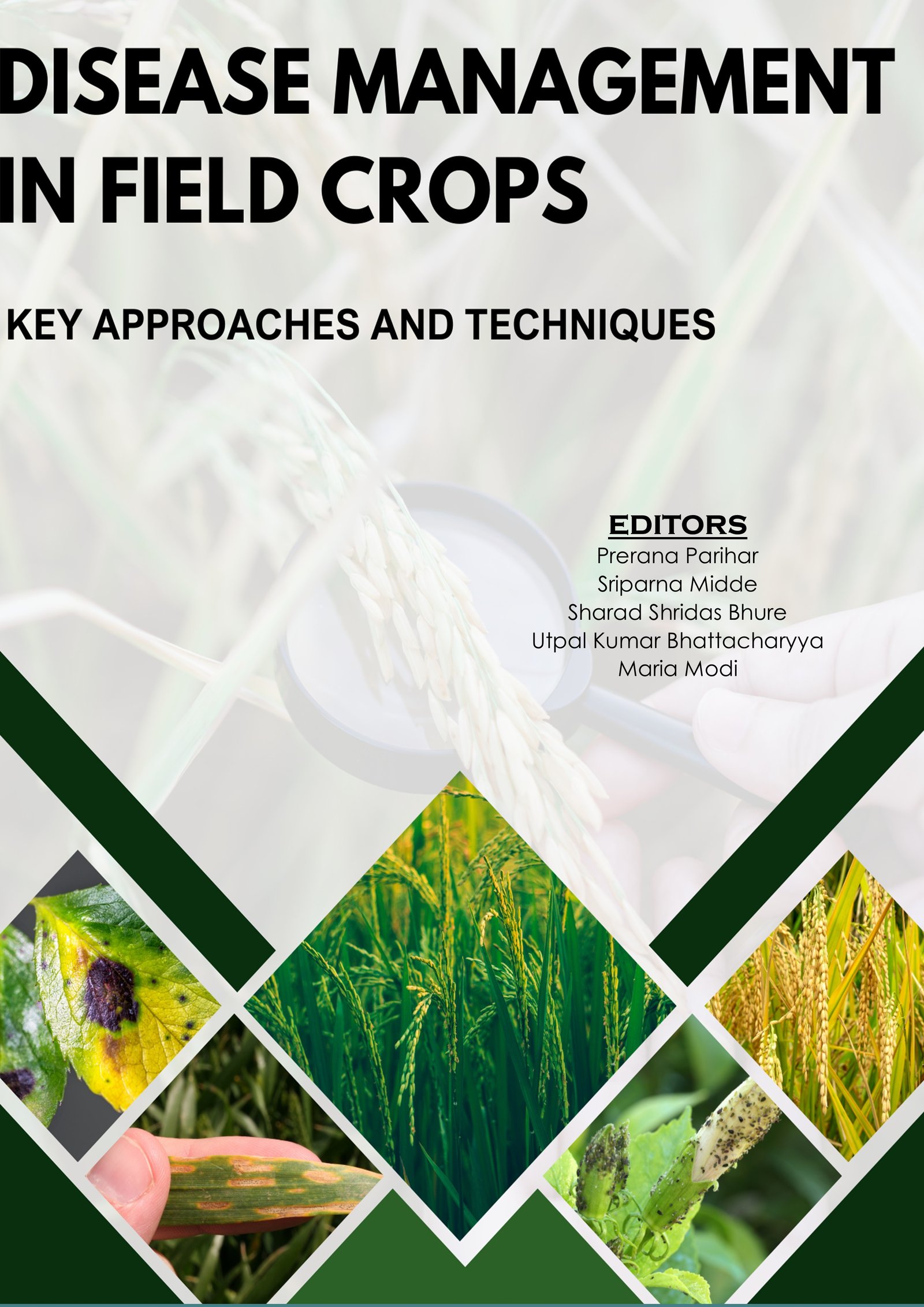
Agriculture has always been at the heart of human civilization, serving as the primary source of food, fiber, and other essential resources. As the global population continues to grow, the demand for higher yields and more efficient farming practices has never been greater. However, with this increased demand comes an array of challenges, one of the most significant being the management of diseases that affect field crops. These diseases, caused by various pathogens including fungi, bacteria, viruses, and nematodes, can cause severe yield losses, reduce crop quality, and threaten food security worldwide. This book, Disease Management in Field Crops: Key Approaches and Techniques, aims to provide a comprehensive resource for understanding and managing diseases that impact field crops. It is designed for a broad audience, including farmers, agricultural scientists, extension agents, and students, offering practical solutions and scientific insights into disease management practices. The book is structured to cover a wide array of topics, beginning with fundamental principles such as disease identification and diagnosis, and progressing to more complex strategies like integrated disease management (IDM) and the use of resistant crop varieties. We delve into cultural, biological,
and chemical control methods, highlighting both traditional techniques and emerging innovations that promise to revolutionize disease management in the future.